Adaptive Machine Learning Techniques Behind Tailored Blackjack Promotions in Virtual Casinos and Their Role in Modifying Player Session Durations
Wendy Lehmann · Jul 1, 2026
Adaptive Machine Learning Techniques Behind Tailored Blackjack Promotions in Virtual Casinos and Their Role in Modifying Player Session Durations
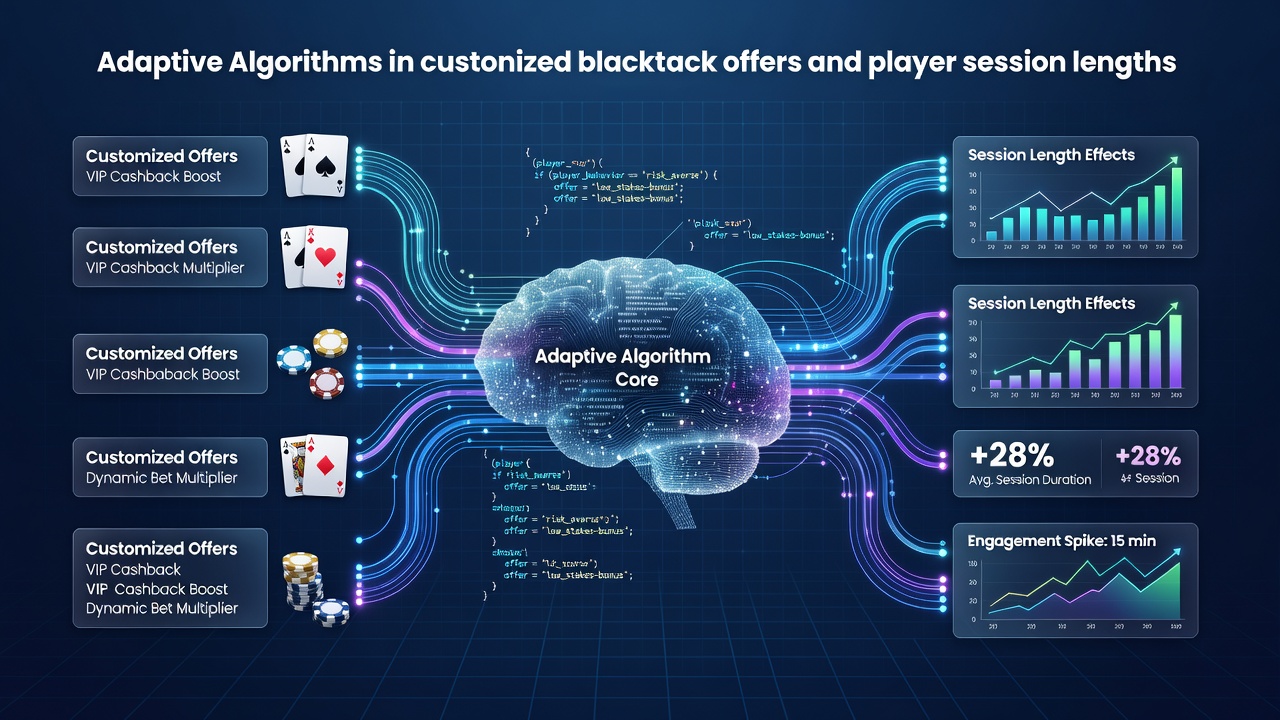
Digital casinos deploy adaptive algorithms to customize blackjack offers for individual players, and these systems draw from player data including betting patterns, session history, and response rates to previous promotions. The models adjust offer parameters in real time, such as bonus percentages, wagering requirements, and game-specific incentives, which alters how long sessions continue before players cash out or switch activities. Data collected across platforms shows that these adjustments often extend average session lengths by targeting players who exhibit signs of waning engagement.
Core Components of Adaptive Algorithm Systems
Reinforcement learning frameworks form the backbone of many such systems, where agents receive feedback from player actions like continued bets or offer redemptions and refine future recommendations accordingly. Clustering techniques group users into segments based on variables such as average bet size, frequency of play, and preferred blackjack variants, allowing platforms to deliver offers that align with observed behaviors. Predictive models estimate the probability that a given promotion will extend a session by a measurable interval, drawing on historical datasets that span multiple jurisdictions.
These algorithms incorporate constraints from regulatory frameworks, ensuring that customized offers comply with rules on bonus transparency and fair play. In July 2026, several platforms updated their models to integrate new compliance modules following reviews by oversight bodies, which refined how personalization occurs without violating jurisdictional limits on promotional structures.
Mechanisms Influencing Session Length
Session duration metrics respond to offer timing, where algorithms trigger customized blackjack incentives during detected drop-off points in player activity logs. For instance, a model might identify a player who typically reduces bet sizes after 45 minutes and respond with a limited-time cashback offer tied to continued blackjack play. This approach connects directly to data streams that track time-on-site alongside in-game decisions, creating feedback loops that sustain participation.
Studies from academic sources indicate that players exposed to dynamically adjusted offers demonstrate longer average engagement periods compared to those receiving static promotions. The algorithms weigh multiple factors simultaneously, including recent win-loss ratios and time since last deposit, to calibrate the intensity of each intervention. Observers note that such calibration often produces incremental extensions rather than abrupt changes, with session lengths increasing by increments tracked in platform analytics.
Regional Data and Industry Reports
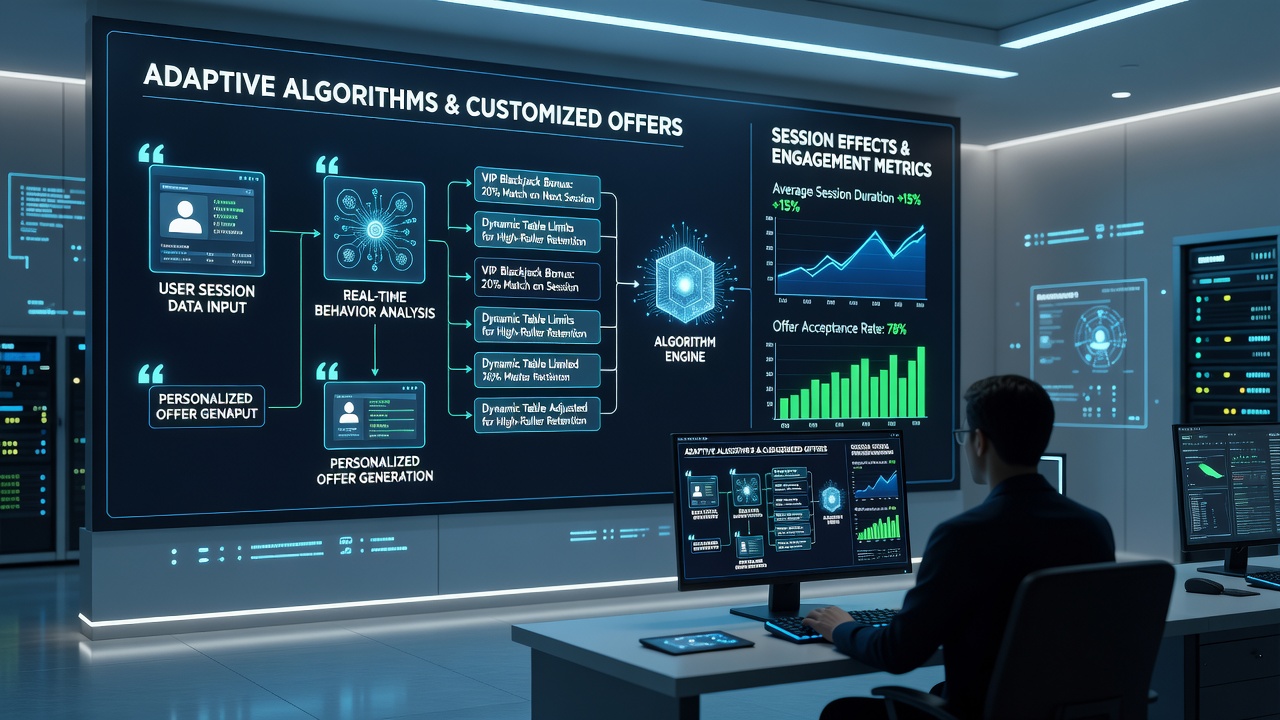
Reports from the Nevada Gaming Control Board document patterns in online gaming segments where personalized promotions correlate with extended play intervals across licensed platforms. Figures reveal variations by player tier, with higher-value segments showing more pronounced responses to algorithm-driven adjustments. Platforms operating under these guidelines integrate the findings into model training cycles to maintain alignment with measured outcomes.
Research published through the University of Sydney's gambling studies program examines similar dynamics in Australian-regulated environments, where adaptive systems balance promotional customization against responsible gaming indicators. The analysis highlights how session length data feeds back into algorithm parameters, enabling refinements that account for regional differences in player demographics and regulatory expectations. Those reviewing the datasets observe consistent links between offer personalization depth and sustained session metrics when models incorporate multi-variable inputs.
Technical Implementation Patterns
Platforms combine real-time bidding engines with machine learning pipelines to serve offers within milliseconds of detected triggers. Feature engineering processes raw telemetry into usable inputs, such as normalized session velocity scores and variant preference vectors. A/B testing frameworks run continuously, pitting different algorithmic versions against each other to quantify effects on session continuation rates.
Integration with live dealer blackjack feeds adds another layer, as algorithms monitor table-specific events and layer promotions that encourage transitions between variants. This setup allows for cross-session continuity, where data from one visit informs offers presented during subsequent logins. The resulting architecture supports scaling across large user bases while preserving the individualized nature of each adjustment.
Conclusion
Adaptive algorithms continue to shape how digital casinos structure blackjack offers and influence measurable session lengths through ongoing data integration and model updates. Regulatory developments, including those referenced in July 2026 analyses, prompt further calibration of these systems to maintain compliance alongside performance objectives. Industry reports from multiple regions document the statistical relationships between personalization techniques and engagement durations, providing a foundation for future refinements in algorithmic design.