Adaptive Player Responses to Tiered Reward Systems in Online Table Gaming Environments
Wendy Lehmann · Aug 26, 2026

Adaptive Player Responses to Tiered Reward Systems in Online Table Gaming Environments
Multi-tiered incentive programs in digital table games have expanded across regulated platforms since the mid-2020s, and operators structure these systems with progressive levels that unlock additional credits, cashback percentages, adn access to exclusive variants as players accumulate activity points. Research from industry reports shows that participants often adjust their session lengths, wager sizes, and game selections to reach higher tiers within defined time windows, while data from platform analytics indicate shifts in average bet amounts during promotional periods.
Operators design these programs with multiple layers that include entry-level welcome matches, mid-tier reload bonuses, and top-tier VIP perks such as reduced house edges on select tables or priority access during peak hours. According to aggregated performance data released by state regulators, players in higher tiers demonstrate measurable changes in play patterns, including longer average session durations and preferences for lower-volatility table options that help sustain point accumulation rates.
Core Mechanics of Tiered Incentive Structures
Digital table game platforms calculate tier progression through a combination of wagered amounts, frequency of play, and deposit consistency, and each tier carries specific multipliers on loyalty points along with tailored incentives that influence decision-making during rounds. Figures from Nevada Gaming Control Board summaries reveal that tier advancement correlates with increased engagement in variants such as multi-hand blackjack and progressive side bets, whereas lower-tier participants tend to favor standard rulesets to minimize risk while building toward the next threshold.
These systems operate on rolling qualification periods that reset monthly or quarterly, and players frequently recalibrate their approaches when nearing a tier boundary to secure the associated rewards. Studies compiled by the University of Nevada, Las Vegas International Gaming Institute indicate that such boundary effects produce temporary spikes in table game volume, particularly in the final weeks of each cycle.
Observed Tactical Adjustments Across Player Segments
Platform data shows that mid-tier participants commonly extend play sessions to meet point requirements, while top-tier users leverage their benefits to experiment with higher-stakes tables or new game variants that carry promotional overlays. Observers tracking these patterns note that many players incorporate bankroll segmentation strategies, setting aside portions of winnings specifically for tier-maintenance play to avoid dropping levels.
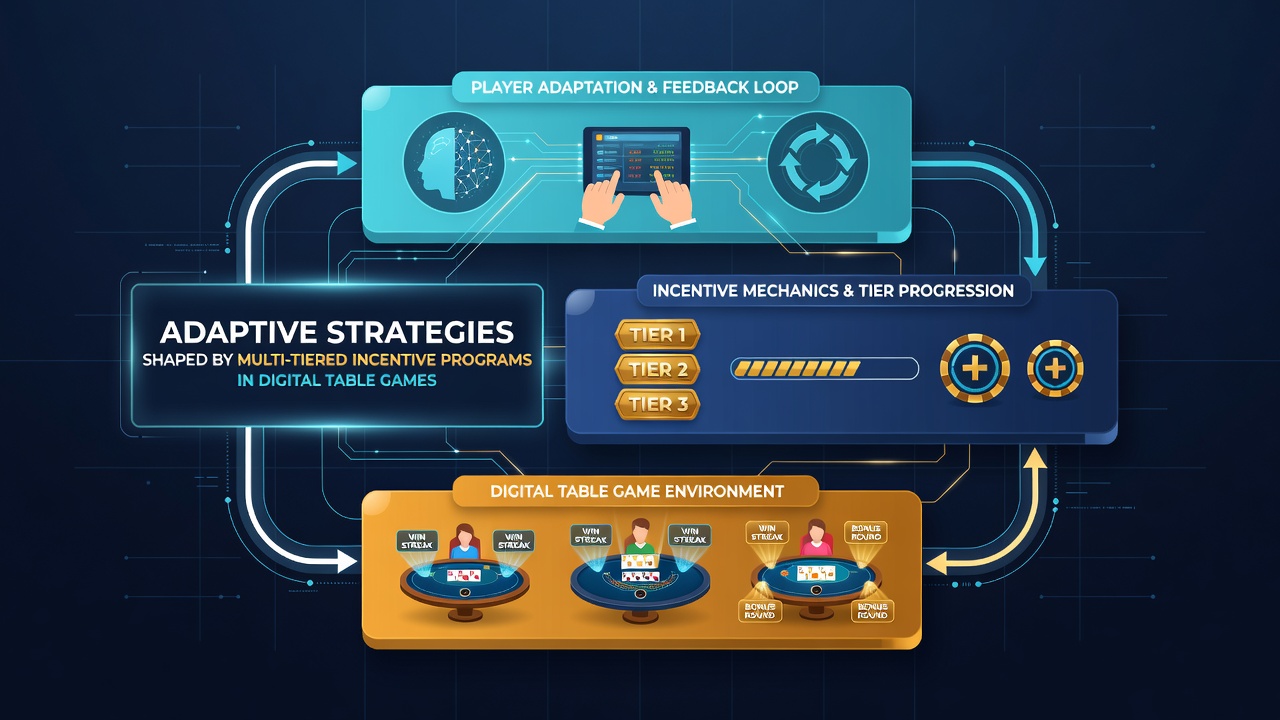
Regulatory filings from the Alcohol and Gaming Commission of Ontario document similar trends in Canadian markets, where tiered cashback structures prompt adjustments in session timing to align with bonus activation windows. Those who monitor aggregated user metrics report that players often switch between table limits or game speeds to optimize point earnings relative to time invested, especially when programs include weekly or monthly leaderboards that award additional prizes.
Regulatory Developments and Market Data Through August 2026
By August 2026 several jurisdictions had updated reporting requirements for loyalty program structures, requiring operators to disclose tier qualification criteria and redemption rates in greater detail. Data released during this period from the Malta Gaming Authority highlighted that synchronized updates to mobile applications and incentive tiers produced measurable changes in player retention across European markets, with certain segments showing increased preference for table games that offered combined tier and tournament rewards.
Industry associations such as the American Gaming Association have compiled cross-platform comparisons that track how multi-tiered systems interact with responsible gaming tools, and these reports indicate that adaptive behaviors remain consistent across different regulatory environments even as specific incentive mechanics vary by jurisdiction.
Conclusion
Multi-tiered incentive programs continue to shape how participants approach digital table games through structured rewards that reward sustained activity and strategic timing. Available data from regulatory bodies and academic research centers demonstrate clear correlations between tier progression and shifts in wager patterns, session management, and variant selection. As platforms refine these systems and regulators expand oversight, the documented interactions between incentives and player tactics provide a measurable framework for understanding engagement trends across the sector.