Algorithmic Refinements Reshaping Blackjack Incentive Qualification Pathways
Harper Beck · Jun 22, 2026
Algorithmic Refinements Reshaping Blackjack Incentive Qualification Pathways
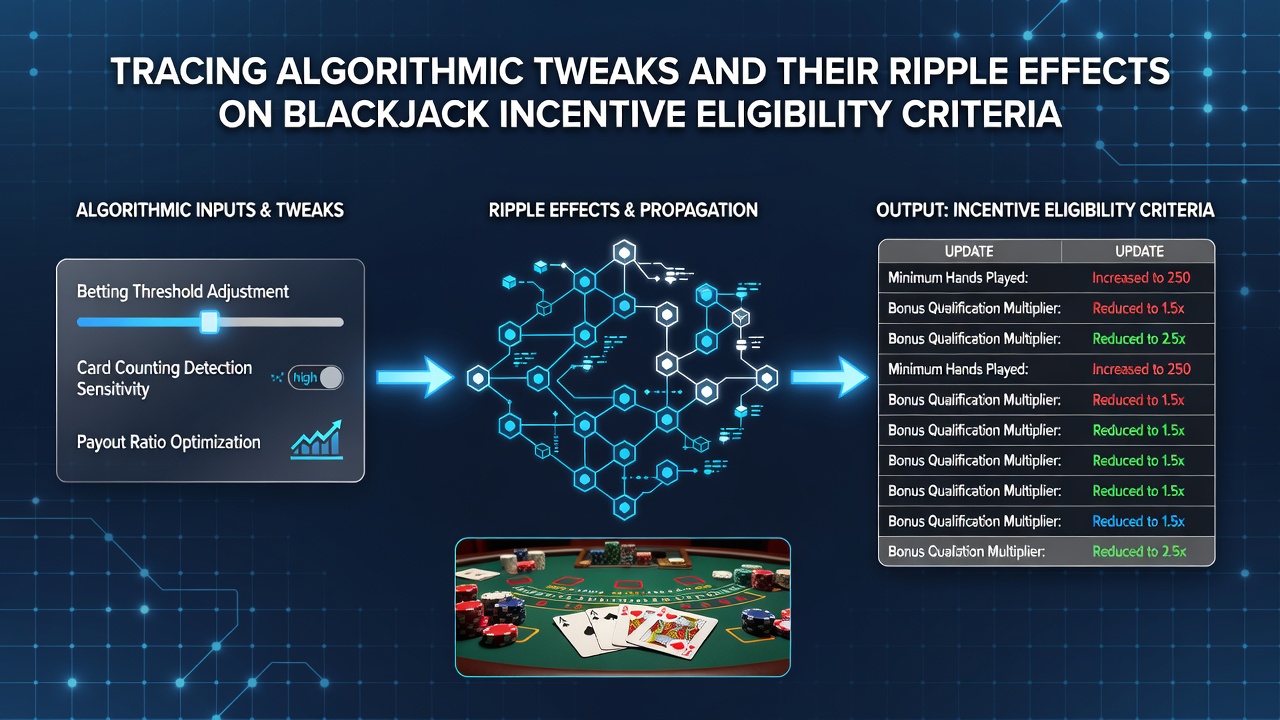
Platform operators in regulated online gaming markets deploy continuous updates to their backend algorithms, and these refinements directly modify how blackjack players meet incentive eligibility thresholds. Systems evaluate betting velocity, session duration, game selection patterns, and deposit frequency through layered decision trees that adjust in real time, so a player who qualified for a recurring cashback offer in one month may find the same activity profile insufficient after an update rolls out.
Core Mechanisms Behind Eligibility Tracking
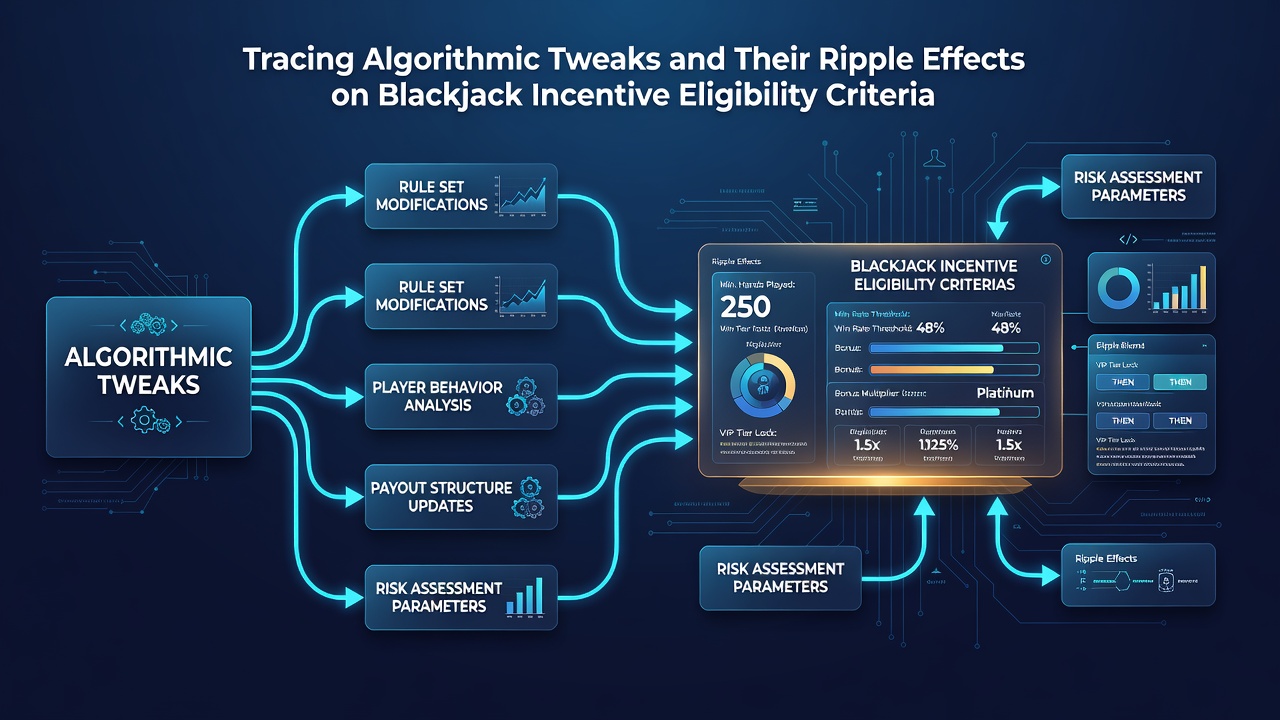
Eligibility engines pull from multiple data streams including wager amounts per hand, variance in bet sizing, and time spent on specific variants such as European or Atlantic City rulesets. When developers tweak weighting factors inside these models, thresholds shift without any visible change to the player-facing bonus terms, and observers note that such modifications often occur during scheduled maintenance windows in late spring or early summer periods.
Data from multiple jurisdictions shows that a 2025 adjustment in one major European platform increased the minimum hands required for tier advancement by 18 percent, while simultaneously lowering the acceptable loss ratio that still counted toward qualification. Players who maintained steady mid-stakes play suddenly fell outside the new parameters even though their total volume remained unchanged.
Observed Ripple Effects Across Player Segments
High-volume participants who previously cleared weekly reload bonuses through consistent low-variance strategies encountered new filters that flagged their patterns as lower-engagement, prompting some to spread activity across additional titles to restore eligibility. Mid-tier users experienced more pronounced disruptions because their smaller sample sizes made algorithmic reclassifications statistically more volatile, and several operators reported a temporary spike in support tickets during the weeks following the June 2026 maintenance cycle.
Those who study platform behavior across multiple sites report that synchronized updates between mobile and desktop clients sometimes create brief windows where qualification data lags, allowing temporary access to incentives that the revised rules would otherwise block. These gaps close once reconciliation scripts complete, typically within 48 hours of deployment.
Regulatory and Operational Responses
Regulators in New Jersey require operators to document material changes to bonus qualification logic and submit impact assessments before full rollout, according to guidelines published by the Division of Gaming Enforcement. Similar documentation standards appear in emerging frameworks from the Australian Communications and Media Authority, where operators must demonstrate that algorithmic adjustments do not disproportionately exclude verified account holders who meet published terms. Industry reports from the University of Nevada, Reno indicate that platforms conducting quarterly audits of their eligibility models reduce player complaints by measurable margins compared with those updating without structured review.
One documented case involved a mid-sized operator that introduced a new risk-scoring layer in early 2026, which reclassified thousands of accounts and triggered an external review after aggregated performance data showed a 22 percent drop in active bonus claimants over six weeks. The company adjusted weighting coefficients and restored eligibility for accounts demonstrating at least 60 hands per week at the prior minimum stake level.
Future Trajectory of Algorithmic Oversight
Continued integration of machine learning components allows platforms to predict which player cohorts will respond to modified criteria before changes go live, and testing environments now simulate eligibility outcomes across demographic slices. As June 2026 approaches, several operators have announced planned reviews of their current models in response to updated technical standards from the Nevada Gaming Control Board, which emphasize transparency in how automated decisions affect promotional access. These reviews focus on audit trails that log every parameter change and its measured effect on qualification rates across blackjack variants.
Conclusion
Algorithmic refinements continue to alter the precise conditions under which blackjack incentives become available, and the resulting shifts propagate through player behavior, platform operations, and regulatory compliance processes. Documentation requirements and periodic audits provide structured mechanisms for tracking these changes, while data from multiple regions illustrates consistent patterns of eligibility recalibration following each major update cycle.