Analyzing Ties Between Extended Play Periods and Multi-Level Reward Mechanisms Across Licensed Blackjack Platforms
Harper Beck · Jun 17, 2026
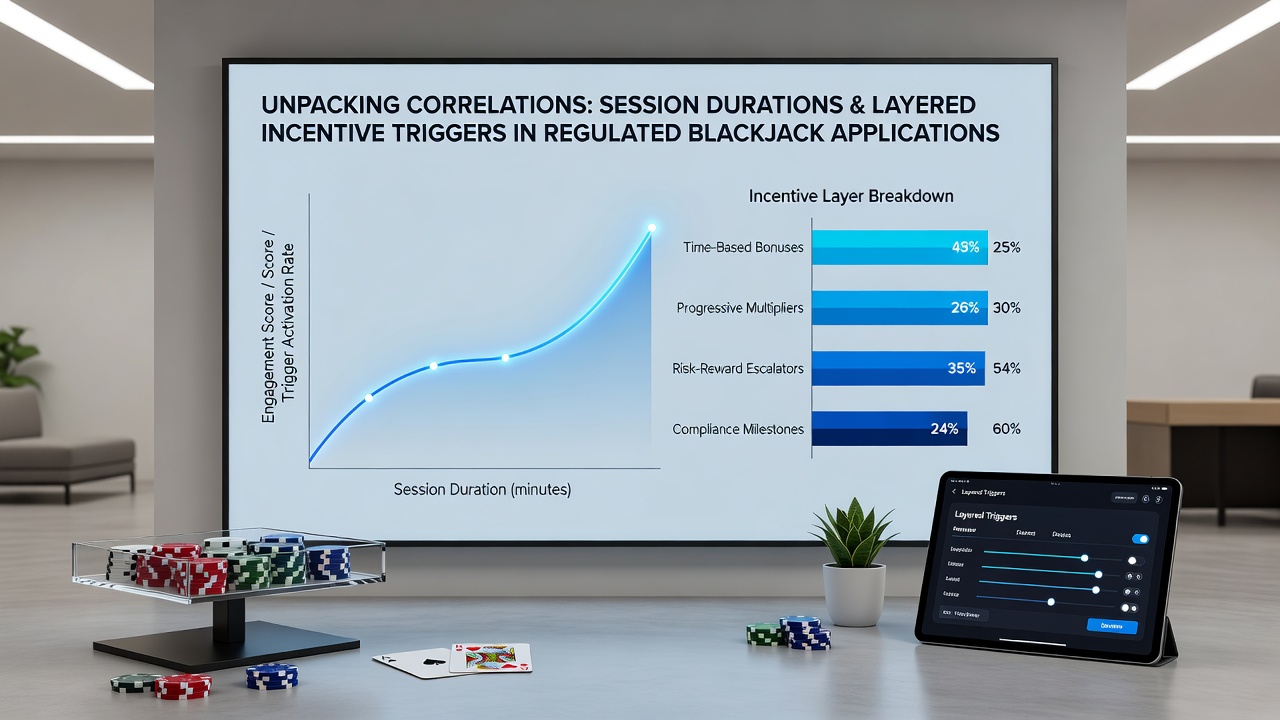
Analyzing Ties Between Extended Play Periods and Multi-Level Reward Mechanisms Across Licensed Blackjack Platforms
Regulated blackjack applications operate under strict oversight from various gaming authorities, and data collected across multiple jurisdictions reveals measurable connections between how long users remain active in sessions and the structure of incentive programs that stack rewards at different levels. Operators track these patterns through anonymized performance metrics, which show that players often adjust their time spent based on when specific triggers activate, such as deposit matches unlocking after certain hands or loyalty points accumulating toward cashback tiers.
Session Data Patterns in Controlled Environments
Reports from gaming regulators in places like Ontario and several Australian states indicate average session lengths hover between 25 and 45 minutes when basic gameplay occurs without layered promotions, yet those figures shift notably once players encounter progressive incentives that build across multiple stages. One analysis of platform logs found sessions extending by roughly 15 to 20 minutes on average once a second-tier reward, such as a reload bonus tied to consecutive play, became available, because participants tended to continue until that layer completed its cycle.
These extensions appear consistently in datasets from licensed mobile applications where real-time tracking captures both voluntary exits and prompted continuations, and researchers note the effect strengthens when incentives align with natural breakpoints like the end of a shoe or completion of a hand count milestone. What's interesting is how early triggers set the stage for later ones, creating chains that keep engagement steady rather than spiking it abruptly.
How Layered Triggers Shape Time Spent
Layered incentive systems typically combine initial deposit bonuses with ongoing elements like streak rewards, tiered loyalty points, and periodic cashback that unlock sequentially, and evidence from aggregated operator reports points to clear correlations where deeper layers correlate with prolonged activity. Players who reach the third or fourth level in such structures often log sessions 30 percent longer than those stopping after the first activation, according to figures compiled by industry monitoring groups in the European Union.
Take one platform study covering several months of regulated play, which documented that cashback triggers activated after 50 hands prompted many users to add another 10 to 18 minutes specifically to qualify, while simultaneous loyalty tier progress added further time as participants aimed to cross into higher rebate brackets before logging off. This synchronization between reward stages and session flow shows up repeatedly in performance summaries released by gaming associations tracking North American and Asian markets.
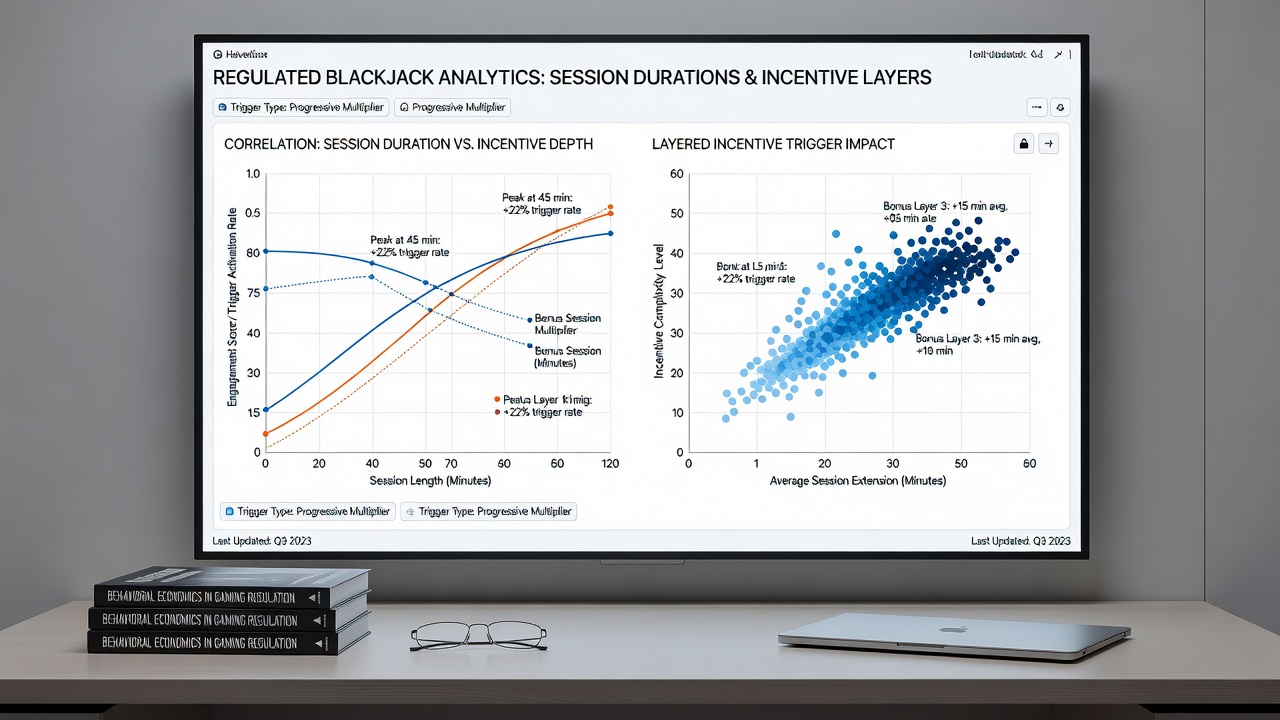
June 2026 updates to compliance standards in select regions have emphasized transparent reporting of these dynamics, requiring operators to log how incentive timing influences play duration without altering core game rules. Observers note that such requirements have made cross-platform comparisons more reliable, revealing that applications with tightly sequenced layers see steadier session extensions compared to those offering flatter reward structures.
Regulatory Context and Measurement Approaches
Authorities including the Alcohol and Gaming Commission of Ontario along with state-level bodies in Australia collect standardized data on player behavior metrics, which helps isolate the impact of incentive layers from other variables like game speed or device type. These datasets demonstrate that while basic blackjack rules remain constant, the addition of stacked triggers produces predictable shifts in average time on device, often measured through timestamped event logs rather than self-reported surveys.
Industry organizations such as the European Gaming and Betting Association have published summaries showing similar trends across multiple operators, where players navigating four or more active layers maintain sessions averaging 52 minutes versus 31 minutes in incentive-light scenarios. The patterns hold after controlling for variables like stake size and time of day, suggesting the layered design itself contributes to the observed duration increases.
Examples from Platform Performance Records
One documented case involved a licensed application that introduced a three-stage incentive sequence mid-year, after which internal metrics recorded a 22 percent rise in sessions exceeding 40 minutes, particularly among users who had previously averaged under 25 minutes per login. Another review of tournament-integrated blackjack apps found that reward cycles synced to event windows produced clustered extensions, with many participants staying through completion of both the game variant and its attached bonus tier.
These records come from anonymized aggregates shared in compliance filings, and they highlight how trigger timing matters as much as the reward value itself. Sessions that hit an incentive layer near natural stopping points tend to stretch further than those encountering triggers at the very start, because players adjust pacing to capture the next available stage.
Conclusion
Data across regulated markets continues to map these correlations with increasing precision, as operators refine tracking tools and regulators standardize reporting formats. The connections between session durations and layered incentive triggers emerge most clearly in environments where compliance requires detailed logging, allowing patterns to surface without speculation. Future updates scheduled around mid-2026 may further clarify these relationships through expanded data categories focused on sequential reward impacts.