Behind the Scenes Algorithmic Systems Fueling Blackjack Offer Rotations in Smartphone Casinos
Wendy Lehmann · Jul 20, 2026
Behind the Scenes Algorithmic Systems Fueling Blackjack Offer Rotations in Smartphone Casinos
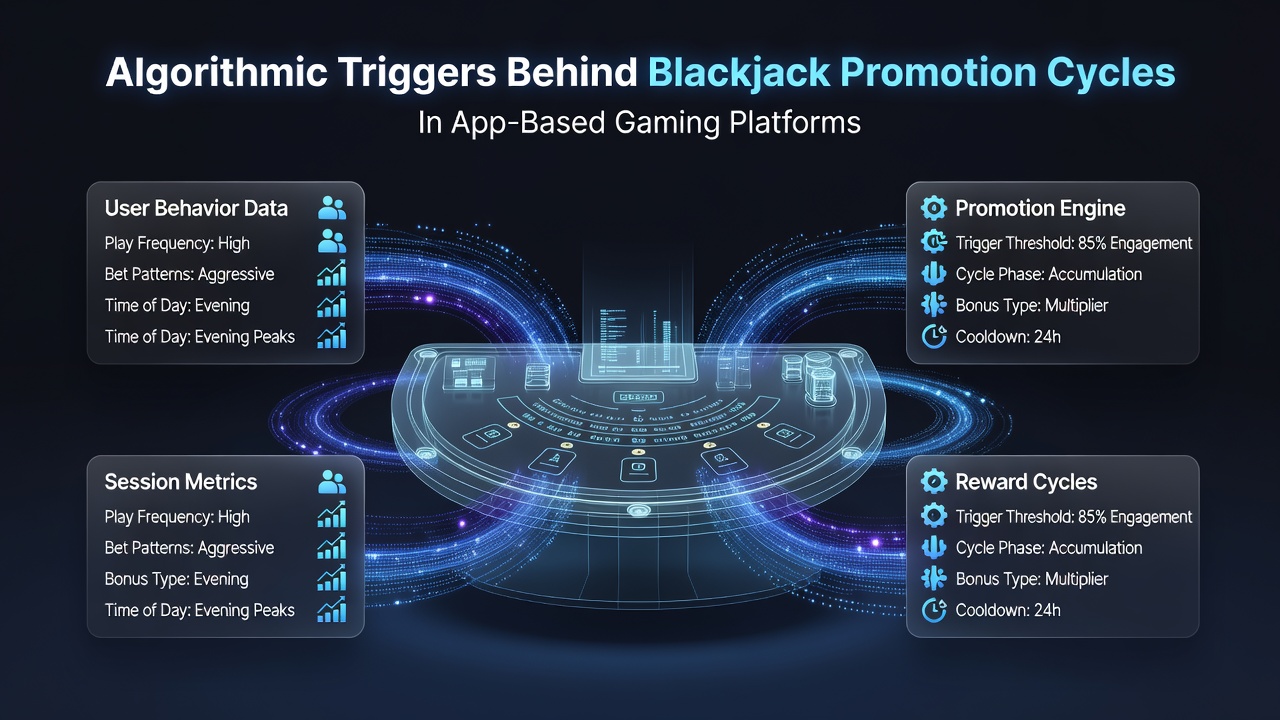
App-based gaming platforms rely on complex algorithms to determine when and how blackjack promotions appear for users and these systems analyze vast amounts of player data to time offers precisely. Data collection begins the moment a user opens the app as metrics such as session length, bet frequency, win-loss ratios, and time since the last deposit feed into centralized models that predict optimal moments for incentive deployment. Researchers at various institutions have documented how these inputs create cycles where promotions align with patterns like extended losing streaks or sudden drops in activity which keeps engagement metrics stable across large user bases.
Data Inputs That Drive Decision Models
Platforms gather information from multiple layers including device type, geographic location, peak play hours, and historical response rates to previous bonuses while machine learning components adjust weights dynamically based on real-time feedback loops. For instance one model might elevate a cashback offer when a cluster of users in a specific region shows reduced login frequency after a holiday period yet another layer could trigger free bet credits for high-volume players whose average wager has declined over consecutive days. According to findings from the Nevada Gaming Control Board digital monitoring reports these layered inputs allow operators to maintain revenue targets without uniform distribution of rewards across all accounts.
Seasonal adjustments factor into the algorithms as well with summer travel patterns often prompting increased mobile session triggers in July 2026 when regulatory updates in several jurisdictions required clearer disclosure of promotion eligibility criteria. The systems then recalibrate to favor offers that comply with new transparency standards while still targeting users whose behavior indicates readiness to return to active play.
Trigger Conditions and Timing Mechanisms
Promotion cycles activate through threshold-based rules where an algorithm detects a combination of conditions such as a 15 percent drop in weekly deposits coupled with at least three sessions exceeding 45 minutes each. Once these parameters align the system queues a tailored offer that appears either as a push notification or within the game lobby itself and A/B testing modules compare performance across user segments to refine future thresholds. Observers note that these conditions rarely operate in isolation because cross-referenced variables like concurrent live event promotions or competitor app updates can either amplify or suppress the final trigger decision.
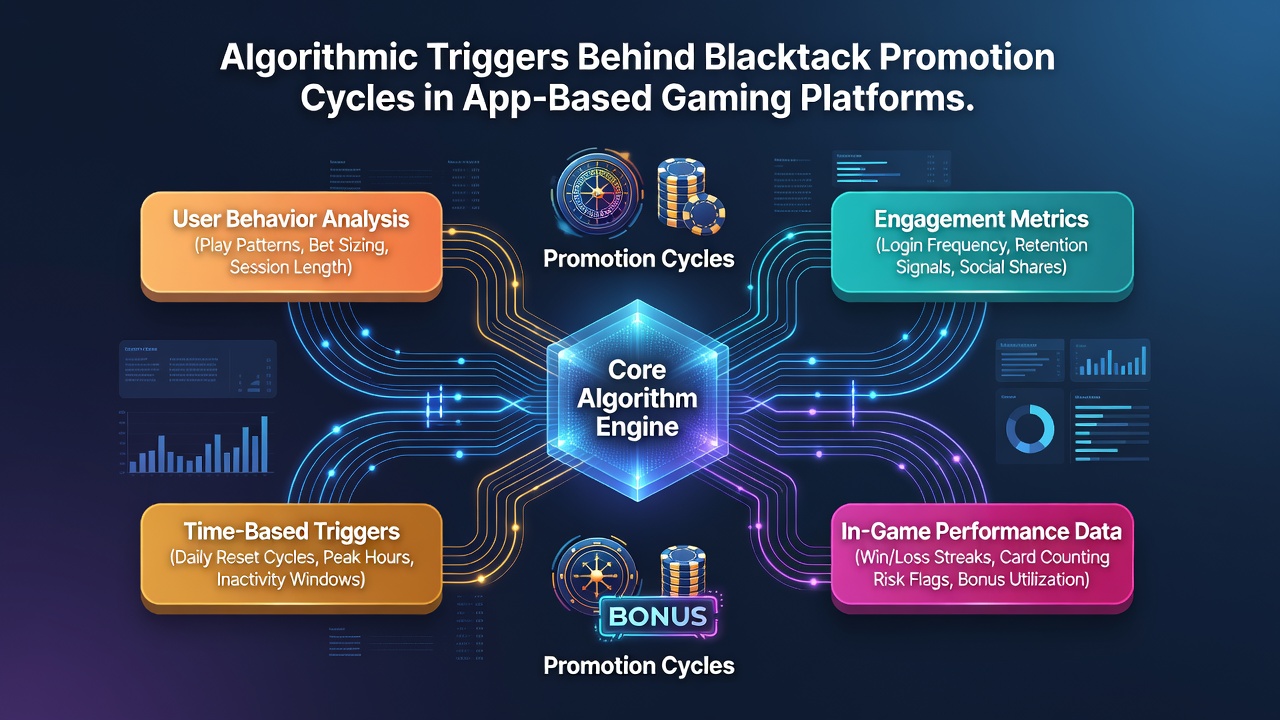
Time-based elements add another dimension since models incorporate circadian rhythm data derived from login timestamps to schedule deliveries during evening hours when response rates historically peak in certain demographics. In July 2026 several platforms incorporated additional filters to account for updated accessibility guidelines that prevented offers from interrupting users mid-hand which altered cycle lengths and created more staggered rollout patterns across player cohorts.
Regional Variations and Compliance Adjustments
Algorithms adapt to local regulations by embedding jurisdiction-specific rulesets that modify promotion frequency and types available. Data compiled by the Australian Communications and Media Authority indicates that operators in that region must maintain audit logs of every algorithmic decision for at least 12 months which influences how aggressively systems push repeat incentives compared with less restrictive markets. These constraints lead platforms to develop parallel model versions that switch automatically based on detected user location while preserving overall performance benchmarks.
Academic analyses from research groups at institutions such as the University of Nevada have examined how these regional adaptations affect long-term player retention statistics and the studies reveal measurable differences in cycle duration between markets with strict disclosure rules versus those focused primarily on responsible gaming messaging.
Impact on Player Behavior Patterns
Players encounter these cycles through recurring sequences where initial welcome bonuses give way to reactivation offers followed by loyalty tier escalations all calibrated to individual risk profiles stored in backend databases. The synchronization between app updates and promotion engines means that a new game variant release often coincides with targeted incentives designed to encourage first-time trials which data shows increases adoption rates by measurable margins across tracked cohorts.
Those who monitor aggregated performance metrics observe that cycles tend to lengthen during periods of high regulatory scrutiny because systems incorporate additional compliance checks that delay offer deployment until verification steps complete. In July 2026 this effect became particularly noticeable as platforms adjusted models to align with evolving standards around bonus wagering requirements.
Conclusion
Algorithmic systems continue to shape blackjack promotion cycles through iterative refinement of data inputs, threshold rules, and regional adaptations that respond to both behavioral signals and regulatory shifts. As platforms integrate new compliance layers in periods such as July 2026 the underlying models evolve to balance engagement goals with transparency mandates while maintaining operational consistency across diverse user bases.