Blackjack Incentives Shift to Meet Virtual Reality Platform Constraints in Growing Digital Spaces
Mia Zimmermann · Jun 24, 2026
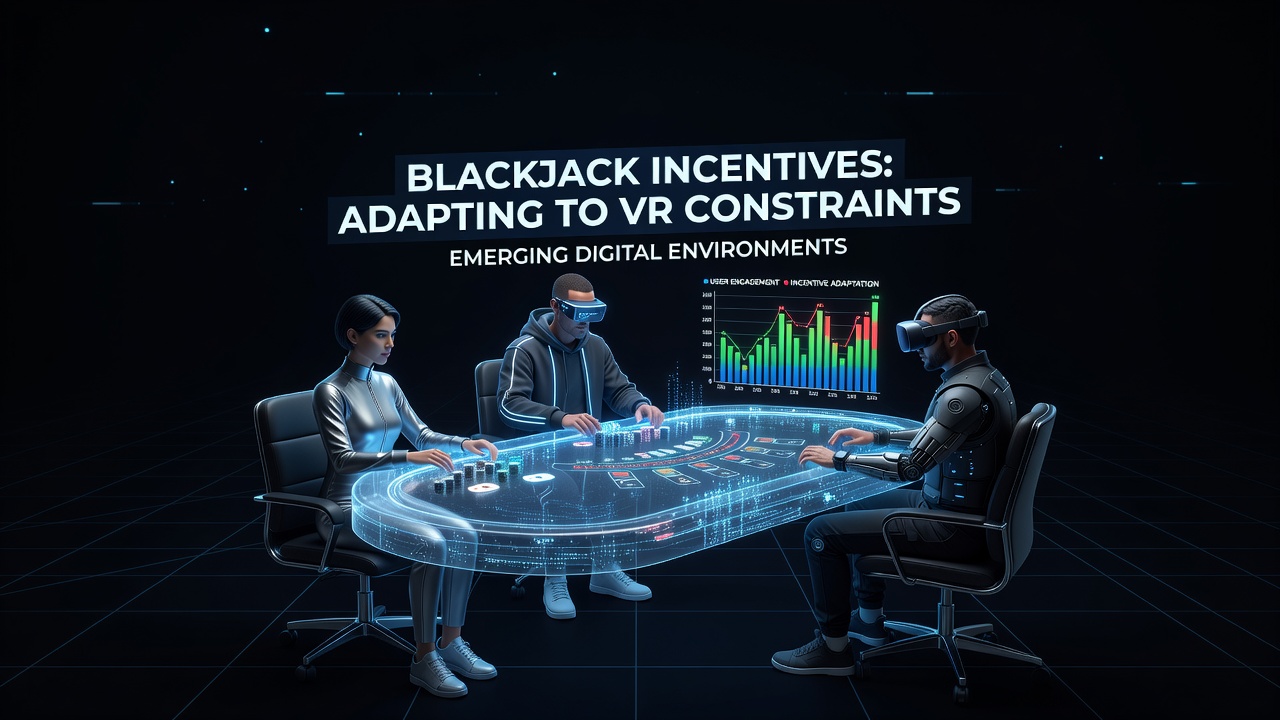
Blackjack Incentives Shift to Meet Virtual Reality Platform Constraints in Growing Digital Spaces
Virtual reality platforms introduce distinct constraints for blackjack incentives as digital environments expand, and operators adjust reward structures to accommodate hardware limitations along with immersion requirements. Data from industry reports shows these adaptations focus on latency reductions and interface compatibility while maintaining compliance across regulated markets. Observers note that emerging VR systems demand incentive designs which account for motion tracking accuracy and headset processing power.
Platform Limitations Shaping Incentive Design
Virtual reality hardware often encounters processing delays that affect real-time blackjack play, and this forces developers to modify bonus activation mechanics so they align with slower rendering cycles. Research indicates that many systems limit simultaneous user interactions to prevent overload, which in turn influences how ongoing promotions calculate wagering contributions. Those who study these environments find that incentive eligibility criteria now incorporate session length thresholds tied directly to device stability metrics rather than traditional play volume alone.
Regulatory frameworks in various regions require transparency around these adjustments, and figures from the New Jersey Division of Gaming Enforcement reveal increasing scrutiny on how VR-specific rewards handle data synchronization. Operators respond by creating tiered bonuses that scale with connection quality, ensuring players receive proportional value even during periods of reduced performance.
Regulatory Updates and Market Responses in Mid-2026
June 2026 brought new compliance guidelines in select jurisdictions that addressed VR platform integration for table games, prompting incentive providers to revise bonus terms around virtual table limits. These changes emphasize player protection measures such as session caps and automated reward pausing during technical interruptions. Evidence suggests that operators in multiple markets began testing adaptive algorithms which adjust promotion triggers based on real-time hardware diagnostics.
Industry groups have documented shifts toward hybrid incentive models that blend traditional cashback with VR-exclusive access passes, and this approach helps bridge gaps created by varying device capabilities across user bases. Data shows participation rates in modified programs holding steady despite the added technical layers.
Technical Adaptations in Reward Delivery
Constraint handling extends to visual and audio feedback systems where bonus notifications must integrate seamlessly with immersive environments without disrupting gameplay flow. Developers implement delayed reward displays that queue during high-load moments, then release once processing stabilizes. Studies from academic sources highlight how such timing adjustments preserve perceived value while complying with fairness standards enforced by bodies like the Alcohol and Gaming Commission of Ontario.

Multiplayer VR blackjack sessions present further challenges because incentive distribution must account for shared virtual spaces and individual device variances. Programs now feature synchronized reward pools that allocate portions based on collective performance metrics adjusted for individual latency readings. This method maintains equity across participants who connect through differing hardware configurations.
Emerging Patterns in Player Engagement Data
Aggregated performance statistics indicate that VR-adapted incentives correlate with extended session durations when technical constraints receive proper mitigation. Programs incorporating progressive reward unlocks tied to immersion milestones demonstrate higher retention compared to static bonus formats. Observers tracking these trends report that geographic variations in adoption rates reflect differences in regulatory approval timelines for VR gambling applications.
One case study revealed operators using predictive modeling to forecast platform strain during peak hours, allowing preemptive incentive modifications that prevent reward devaluation. Such proactive steps align with broader industry efforts to standardize VR blackjack offerings across emerging digital platforms.
Future Trajectories for Incentive Frameworks
Continued evolution of VR technology suggests ongoing refinements to blackjack incentives will emphasize modular designs capable of scaling with hardware advancements. Regulatory bodies continue monitoring these developments to ensure consumer safeguards remain effective amid technical complexities. Research from institutions examining digital gaming ecosystems points to increasing integration of biometric feedback into reward eligibility, which could further tailor incentives to individual user experiences within platform limits.
Conclusion
Blackjack incentives continue adapting through targeted modifications that address virtual reality platform constraints while supporting growth in digital environments, and this process relies on data-driven adjustments combined with regulatory alignment across jurisdictions. Patterns observed through mid-2026 demonstrate measurable progress in balancing technical realities with player reward expectations.