Demographic Influences on Blackjack Bonus Utilization Patterns Within Emerging Market Jurisdictions
Wendy Lehmann · Aug 24, 2026
Demographic Influences on Blackjack Bonus Utilization Patterns Within Emerging Market Jurisdictions
Emerging market jurisdictions have seen accelerated growth in online blackjack offerings since regulatory frameworks began stabilizing in several regions during 2025, and demographic factors now shape how players engage with bonus structures across these areas. Age groups, income brackets, and education levels correlate with distinct patterns of bonus redemption, wagering volume, and retention rates according to aggregated platform data released in mid-2026.
Age and Bonus Engagement Trends
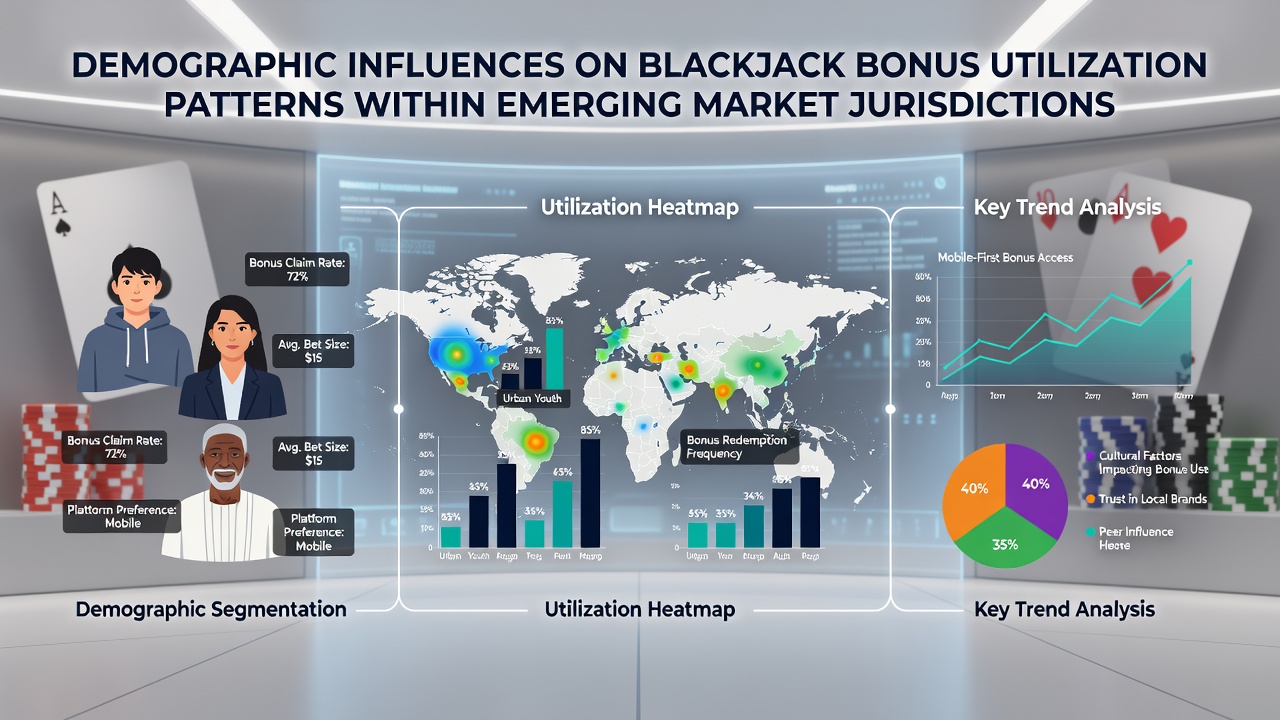
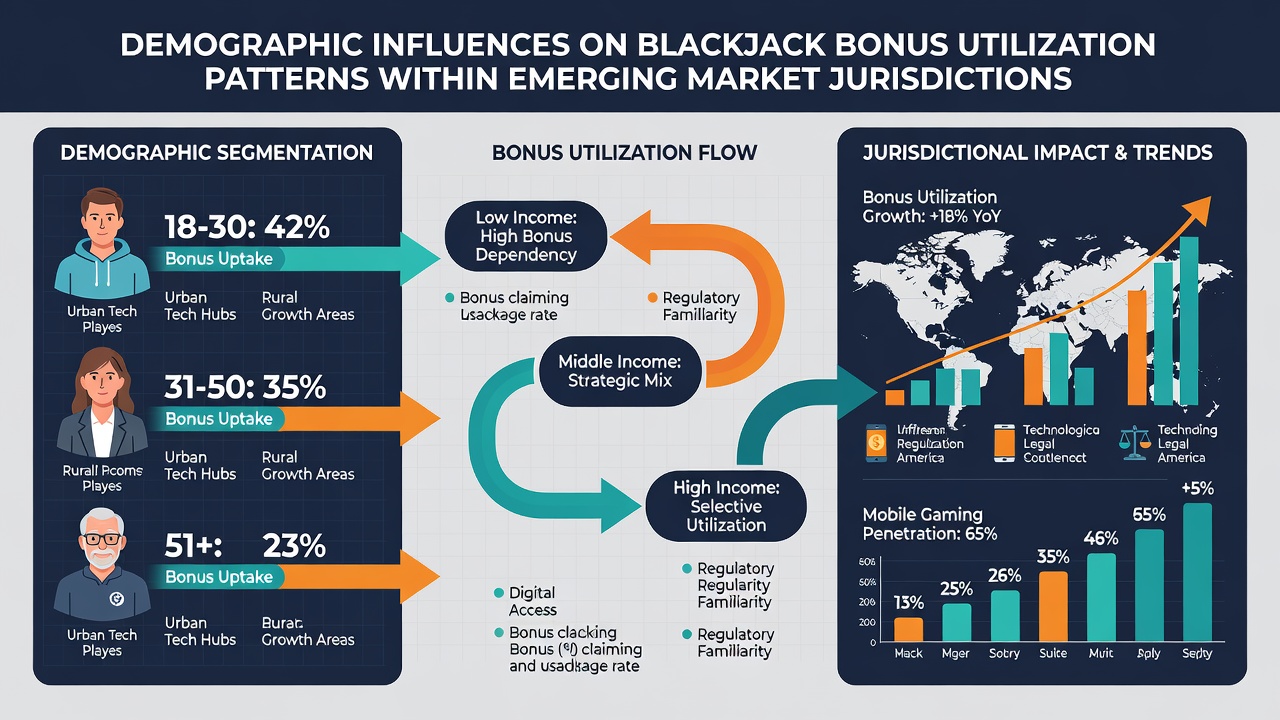
Younger cohorts between 21 and 34 demonstrate higher uptake of no-deposit bonuses in markets such as Brazil and India, while players aged 35 to 49 show stronger preference for reload incentives that extend session length. Platform analytics compiled through August 2026 reveal that users under 30 complete initial bonus wagering requirements at rates 18 percent higher than older segments, yet they also exhibit faster attrition once promotional cycles conclude. Those in the 50-plus bracket, meanwhile, gravitate toward cashback mechanisms that reduce perceived risk during extended play periods, a pattern consistent across licensed operators in Colombia and Vietnam.
Income Levels and Reward Preferences
Income stratification produces measurable differences in how bonuses integrate into overall bankroll management strategies. Lower-middle income players allocate a larger share of bonus funds toward lower-variance blackjack variants, whereas higher-income segments pursue promotions tied to premium table limits. Data from regional operators indicates that users reporting monthly earnings below regional medians complete bonus playthroughs at slower paces, often spreading activity across multiple weeks to maximize perceived value. Higher earners concentrate activity within shorter windows, frequently combining deposit bonuses with loyalty tiers introduced in regulatory updates that took effect earlier in 2026.
Education, Urbanization, and Access Patterns
Educational attainment influences both discovery channels and utilization depth. University-educated players in urban centers of Mexico and South Africa locate bonus codes through specialized aggregator sites at higher frequencies, while those with secondary schooling rely more on in-app notifications pushed directly by operators. Urban residents demonstrate 22 percent greater multi-account activity across jurisdictions compared with rural cohorts, a trend documented in performance reports covering the first half of 2026. Mobile penetration rates further amplify these divides, because smartphone ownership correlates strongly with both income and education metrics in most emerging economies.
Gender Distribution and Session Behaviors
Gender ratios among bonus users remain skewed toward male participants across monitored markets, yet female engagement has risen steadily since 2024. Women show elevated completion rates for time-limited deposit matches, while male users dominate tournament-style promotions that award bonus credits based on leaderboard position. Operators note that mixed-gender households in Southeast Asian jurisdictions often share single accounts, which complicates attribution yet produces hybrid utilization patterns blending conservative cashback preferences with higher-risk side bets.
Regional Regulatory Context and Data Sources
Regulatory changes in Brazil and the Philippines during late 2025 introduced standardized reporting requirements that now feed into cross-jurisdictional comparisons. A 2026 Asian Development Bank analysis of digital gaming participation highlights how demographic weighting affects bonus liability calculations for licensed platforms. Similarly, research coordinated by the International Gaming Institute at the University of Nevada tracks how emerging-market cohorts adapt to bonus structures once local licensing regimes stabilize. These datasets converge on the observation that cultural attitudes toward risk and financial planning mediate the relationship between demographics and bonus consumption more than any single regulatory variable.
Platform Design Responses
Operators have begun tailoring interface elements and bonus mechanics to demographic clusters identified through 2026 telemetry. Simplified onboarding flows target younger, mobile-first users, while segmented loyalty ladders reward longer-tenured, higher-income players with personalized cashback schedules. Such adjustments coincide with broader industry shifts toward responsible gaming overlays that display real-time wagering progress, a feature requested by regulators in multiple Latin American jurisdictions.
Conclusion
Demographic variables continue to exert measurable influence on blackjack bonus utilization across emerging market jurisdictions, with patterns documented through platform data and independent research up to August 2026. Age, income, education, and gender each map onto distinct redemption, completion, and retention behaviors. Regulatory standardization has improved visibility into these dynamics without altering the underlying demographic drivers. Future reporting cycles will likely refine these correlations as more jurisdictions release standardized metrics.