Incentive Layering and Its Role in Modifying Choice Timelines Across Regulated Mobile Blackjack Networks
Iris Berger · Aug 5, 2026
Incentive Layering and Its Role in Modifying Choice Timelines Across Regulated Mobile Blackjack Networks
Regulated mobile blackjack platforms have incorporated multi-level incentive systems that tie reward access to cumulative play metrics and time-bound milestones, according to data from several licensed operators. These structures adjust how players allocate their sessions because progression through tiers unlocks benefits that expire or reset on fixed schedules. Observers note that operators in multiple jurisdictions track engagement patterns to calibrate these layers so that decision points cluster around specific windows rather than spreading evenly across a month or quarter.
Core Mechanics of Tier Progression
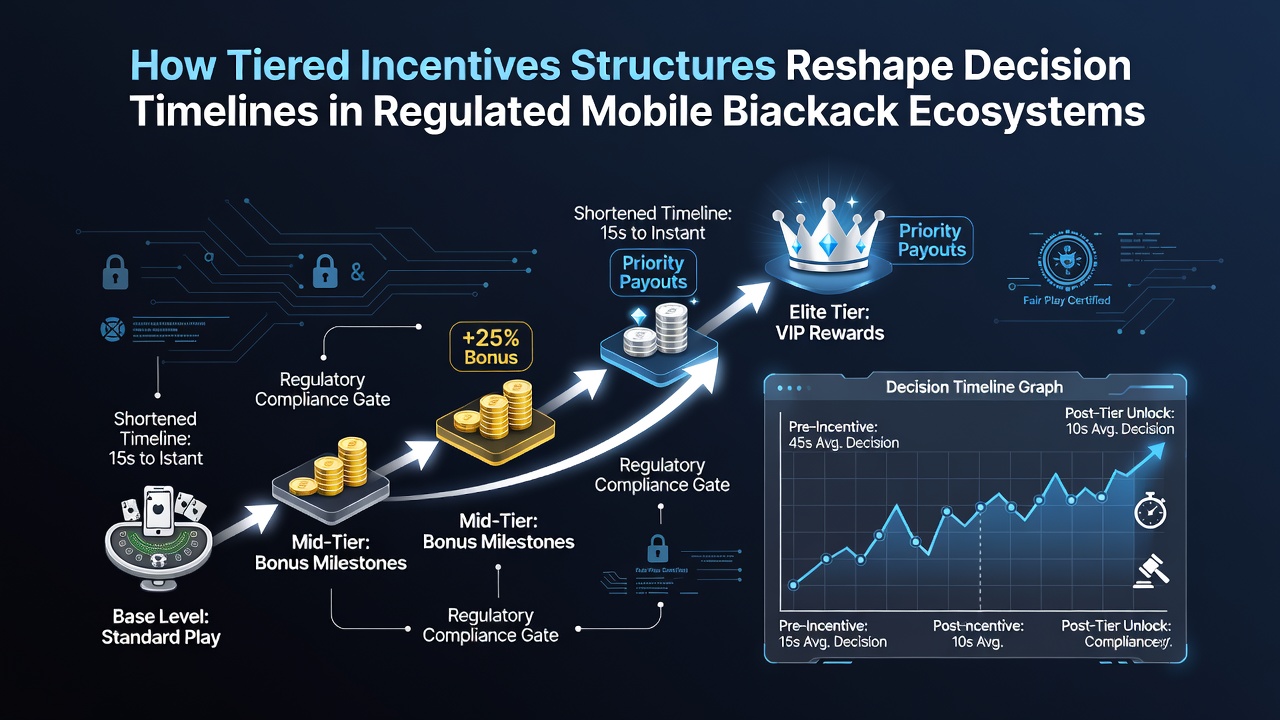
Tier systems typically define entry thresholds through metrics such as total hands played, average bet size, and consecutive active days, while higher levels grant accelerated cashback rates, reduced wagering multipliers on promotional funds, or priority access to live dealer tables. Research indicates that once a player reaches an intermediate tier, the remaining time until the next reset date becomes a visible countdown within the app interface, prompting users to compress larger betting sequences into shorter intervals. Data from platform analytics firms show that average session length increases by measurable margins in the final third of each reward cycle when compared with the opening weeks.
Operators adjust these thresholds seasonally, and one regulatory filing from the New Jersey Division of Gaming Enforcement in 2025 documented how two major apps revised their loyalty ladders to align with new mobile traffic peaks observed on weekday evenings. The changes shifted certain milestone bonuses from monthly to bi-weekly distribution, which in turn altered the frequency of deposit decisions recorded in transaction logs.
Timing Pressures Created by Reset Windows
Because many tiers reset on the first of each month or after a fixed number of days, players face recurring decision points about whether to accelerate play to secure an expiring benefit or to pause until the next cycle begins. Figures released by the Australian Communications and Media Authority reveal that average daily active users on regulated blackjack titles spike 18 to 22 percent in the last four days before monthly resets across monitored apps. Those same logs indicate that bet-size variance widens during these windows, with a documented rise in maximum-bet selections among accounts that sit one tier away from an upgrade.
Platform developers have responded by embedding in-app timers and progress bars that update in real time, a feature that some academic studies link to shorter deliberation intervals between hands. A working paper from the University of Nevada, Reno, examined anonymized telemetry from three licensed operators and found that the median interval between consecutive hands dropped from 14 seconds to 9 seconds once users entered the final 20 percent of a tier cycle.
Regional Regulatory Adjustments Observed Through Mid-2026
By August 2026 several Canadian provincial regulators had begun requiring operators to publish clear reset schedules for all tiered programs so that players could anticipate when benefits would lapse. The requirement followed aggregated reports showing that undisclosed reset mechanics correlated with clusters of high-volume play concentrated in narrow time bands. Similar transparency rules took effect earlier in parts of the European Union, where national authorities mandated that apps display remaining days until each tier refresh directly on the main lobby screen rather than within secondary menus.
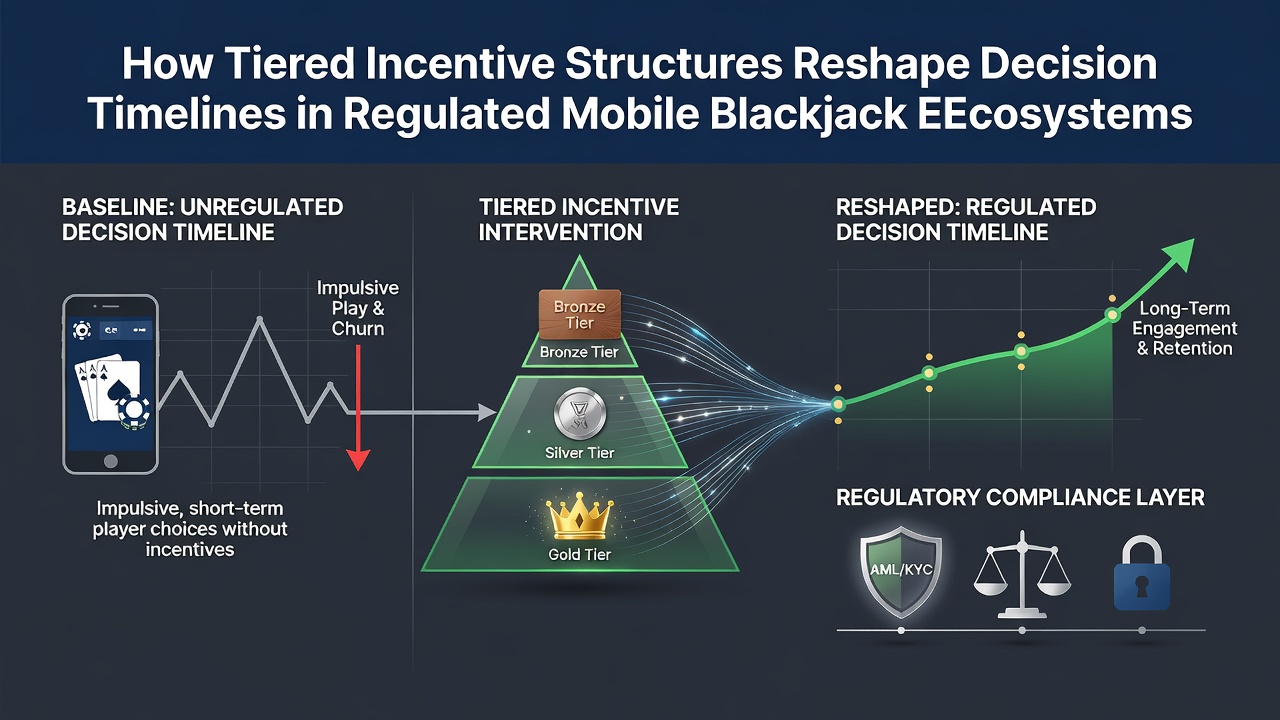
These disclosures appear to have lengthened the average planning horizon for some user segments, because players could now map upcoming resets against personal calendars instead of reacting only to sudden in-app prompts. Yet transaction data still show elevated deposit activity immediately after new cycles open, suggesting that the structural incentive to front-load play persists even when timing information is more accessible.
Interaction With Live Dealer Availability
Live dealer tables operate on fixed shift schedules, and tiered rewards often grant faster queue access or reserved seats during peak hours. Because those privileges frequently carry their own expiration timers, players weigh the value of waiting for a preferred table against the risk of losing an expiring perk. Aggregated performance data shared by industry analytics providers indicate that accounts holding mid-tier status exhibit a 31 percent higher rate of switching to automated RNG tables when live seats carry longer wait times near the end of a reward window.
Operators have introduced staggered shift patterns in response, adding early-morning and late-night dealer rotations on certain days to spread demand. One study covering platforms licensed in Malta and the Isle of Man documented that these schedule adjustments reduced the concentration of play sessions around traditional evening peaks by roughly 12 percent over a six-month observation period.
Conclusion
Tiered incentive structures in regulated mobile blackjack ecosystems create recurring decision points that cluster around reset dates and benefit expiration timers. Available data from multiple jurisdictions demonstrate measurable shifts in session length, bet sizing, and table-type selection as players navigate these layered timelines. Regulatory measures aimed at increasing schedule transparency have altered some planning behaviors, yet core patterns of accelerated activity near cycle endings continue to appear in transaction and telemetry records. Ongoing adjustments by both operators and oversight bodies suggest that the relationship between incentive layers and player timing will remain a focal point for platform design and compliance monitoring through subsequent reporting periods.