Interface Components Driving Varied Blackjack Bonus Engagement Across Player Segments
Wendy Lehmann · Jun 15, 2026
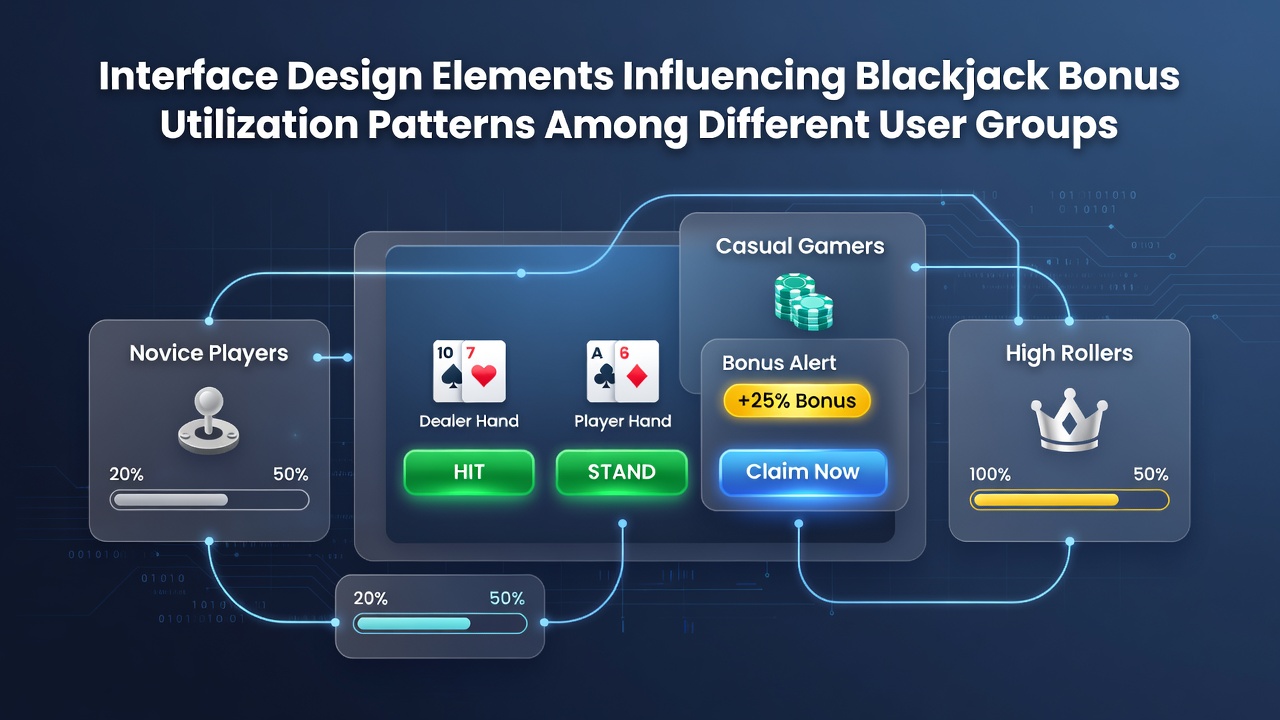
Interface Components Driving Varied Blackjack Bonus Engagement Across Player Segments
Digital platforms present blackjack bonuses through specific layout choices, button placements, color schemes, and notification systems that shape how players interact with offers, and researchers tracking user behavior across platforms have documented distinct patterns tied to these elements.
Studies on human-computer interaction in gaming environments reveal that prominent call-to-action buttons positioned near the main game area increase bonus activation rates among novice users by guiding attention directly to promotional sections while experienced players often bypass such cues in favor of advanced filtering tools located in secondary menus.
Layout Structures and Demographic Responses
Grid-based dashboards versus linear scrolling feeds produce measurable differences in how age groups engage with recurring promotions, and data collected from North American operators shows younger cohorts responding more readily to dynamic tile arrangements that highlight time-sensitive bonuses whereas older segments favor static lists that allow deliberate review of terms.
Responsive design adjustments for varying screen sizes further segment utilization, since compact mobile views compress bonus details into expandable accordions that some tablet users expand frequently while desktop users wth larger viewports access the same information through persistent side panels.
Visual Cues and Interaction Triggers
Color contrast ratios applied to bonus indicators correlate with quicker claim actions among users who report lower visual acuity, and accessibility audits conducted by industry groups confirm that high-contrast elements paired with iconography reduce hesitation in groups that include casual participants less familiar with standard platform navigation.
Animation sequences attached to bonus notifications create short-term spikes in clicks, yet prolonged exposure leads to habituation effects documented in longitudinal tracking studies where frequent players begin ignoring repeated motion cues after several sessions.
Personalization Layers and Group Differentiation
Algorithm-driven recommendations that surface tailored bonus options based on prior play history produce higher conversion among dedicated users who maintain consistent session lengths, while one-time visitors encounter generic prompts that show lower follow-through according to aggregated platform analytics.
Filter systems allowing selection by bonus type, wagering requirement, or game variant enable strategic subgroups to locate suitable offers efficiently, and reports from the Australian Communications and Media Authority highlight how such controls support informed decision-making without overwhelming less experienced participants.
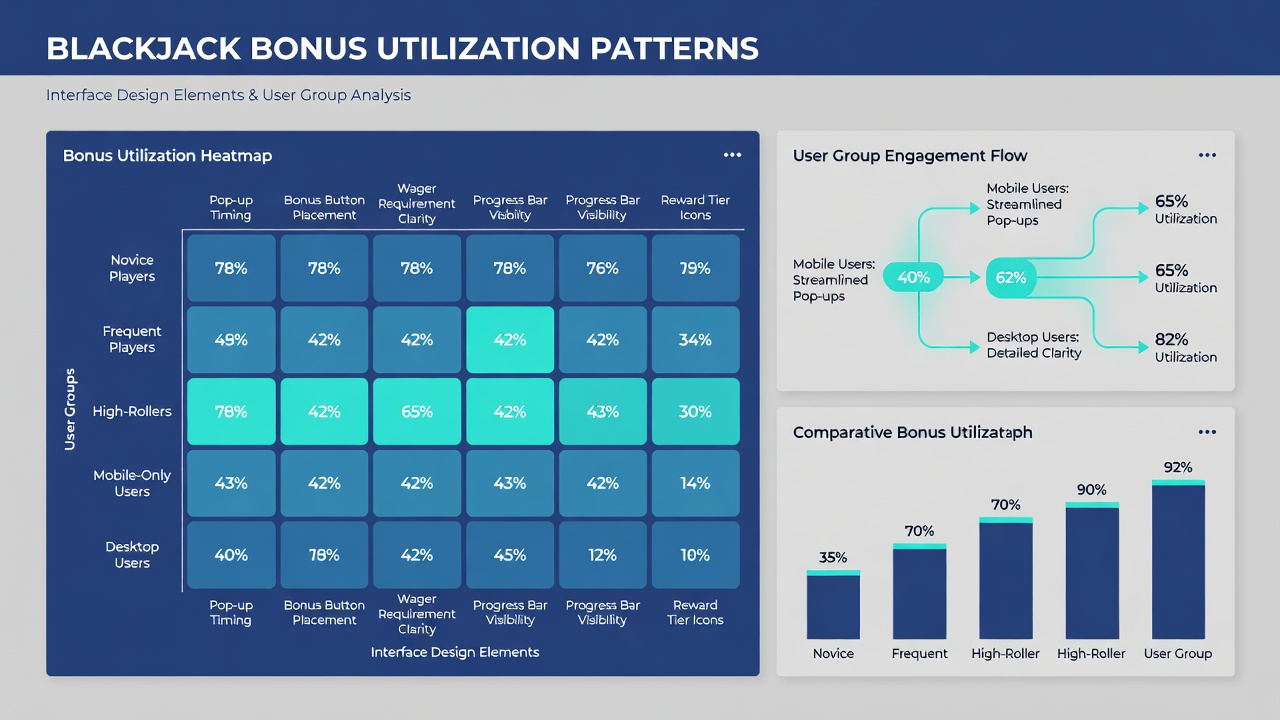
Search bars integrated into reward hubs allow precise queries that power users leverage to isolate specific promotions, whereas broader category browsing remains the default path for those approaching bonuses through exploratory rather than targeted methods.
Notification Timing and Retention Metrics
Push and in-app alerts scheduled around peak login periods generate elevated open rates among shift workers and evening players, and June 2026 platform updates introduced refined scheduling algorithms that align delivery windows with individual historical activity logs to minimize disruption.
Opt-in toggles placed within account settings give users control over frequency, which correlates with sustained engagement across segments that value reduced interruptions while still receiving relevant updates about new bonus structures.
Cross-Platform Consistency Factors
Unified design languages applied across web, iOS, and Android versions reduce friction for multi-device players who switch contexts mid-session, and performance data from regulated markets indicate smoother transitions support continuous bonus tracking without repeated re-authentication steps.
Gesture-based interactions on touch devices versus mouse-driven selections on desktops create separate learning curves that influence how quickly each group locates and activates available incentives during initial exposures.
Conclusion
Interface elements function as mediators between bonus availability and actual player uptake, with measurable variations emerging from layout hierarchies, visual signaling, personalization depth, and notification frameworks that operators refine through ongoing analytics. Evidence from multiple regulatory jurisdictions and academic reviews continues to map these relationships, providing operators with concrete parameters for optimizing access across diverse user bases without altering the underlying promotional structures themselves.