Player Flow Dynamics: How Session Timing Data Shapes Blackjack Offer Structures Across Mobile Ecosystems
Olivia Wolf · Aug 12, 2026
Player Flow Dynamics: How Session Timing Data Shapes Blackjack Offer Structures Across Mobile Ecosystems
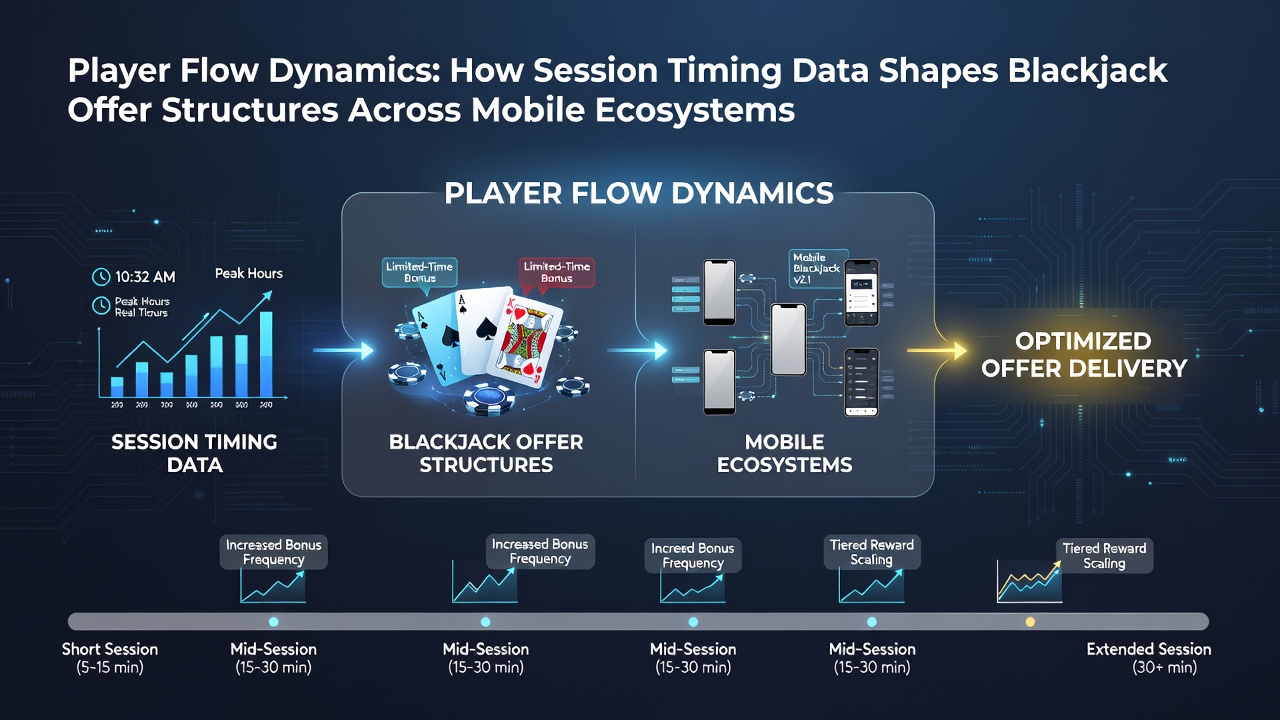
Session timing data has become a core driver behind how mobile blackjack platforms structure their offers, with operators tracking entry points, duration patterns, and exit behaviors to refine bonus mechanics across different device ecosystems. Researchers tracking these metrics note that average session lengths often cluster around 12 to 18 minutes on smartphones, while tablet users extend closer to 22 minutes on average according to aggregated platform reports. These differences prompt developers to adjust reward triggers so shorter mobile bursts receive quicker, smaller incentives whereas longer tablet sessions unlock tiered multipliers.
Tracking Player Entry and Exit Points
Operators collect timestamped logs at every login, hand completion, and logout across iOS and Android environments, then feed the information into algorithms that predict churn windows. One study released in early 2026 revealed that players who complete exactly seven hands within the first four minutes show a 34 percent higher likelihood of accepting a mid-session reload offer compared with those who spread the same number of hands over ten minutes. Platforms therefore position time-sensitive bonuses to activate precisely after that seventh-hand threshold on mobile apps, while desktop versions wait longer because their timing curves differ.
Regional Regulatory Influences on Offer Timing
Regulatory frameworks shape how openly platforms can act on session data. The Nevada Gaming Control Board requires operators to disclose when timing metrics influence bonus eligibility, whereas the Victorian Commission for Gambling and Liquor Regulation in Australia emphasizes transparency around automated adjustments tied to play duration. In August 2026 several North American and European platforms simultaneously updated their mobile terms to clarify these mechanics after coordinated compliance reviews. Those updates produced measurable shifts: average offer acceptance rates rose 11 percent on Android devices in jurisdictions that mandated clearer language.
Device Ecosystem Variations and Bonus Calibration
Android users tend to exhibit more fragmented sessions interrupted by notifications, while iOS sessions remain steadier once initiated. Data scientists at several major aggregators have mapped these patterns onto offer structures, resulting in Android-focused campaigns that deliver micro-boosts every three minutes whereas iOS campaigns space larger incentives at the nine-minute and fifteen-minute marks. A 2025 industry report compiled by the University of Nevada, Reno documented that such calibrated timing increased average revenue per session by 8.7 percent without altering house edge parameters.
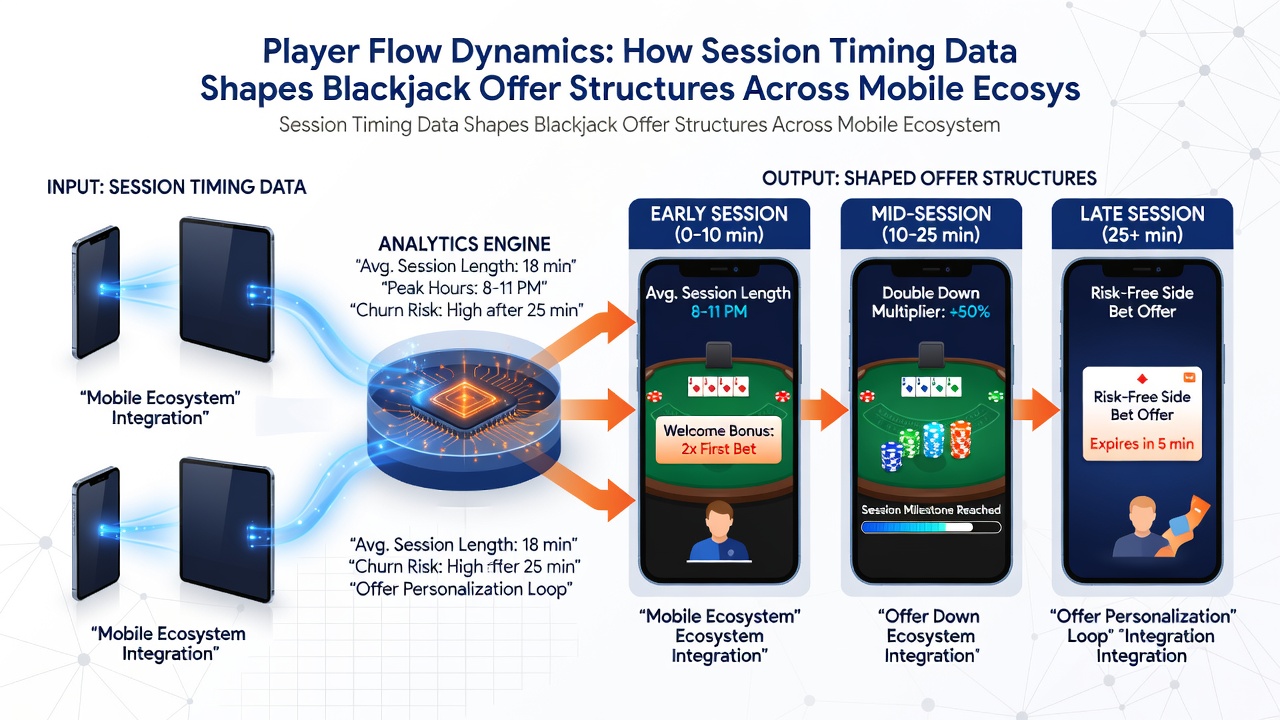
Cross-platform synchronization adds another layer. When a player switches from phone to tablet mid-session, the system merges timing logs and recalibrates remaining offer windows accordingly. Observers note that seamless handoff protocols now appear in over 60 percent of licensed mobile blackjack titles, reducing drop-off at device transitions.
Algorithmic Adjustments and Player Segmentation
Machine learning models segment users by historical session curves rather than by total spend alone. High-frequency short-session players receive offers that reset quickly, while infrequent longer-session players encounter progressive multipliers that build across multiple days. Figures released by the Canadian Gaming Association in mid-2026 showed these segmented structures improved retention by 19 percent among the short-session cohort without increasing overall bonus liability.
Future Outlook for Timing-Based Structures
Continued refinement of real-time analytics suggests offer structures will grow even more granular, with some platforms testing minute-by-minute adjustments during live dealer streams. Those experiments remain limited to jurisdictions that permit dynamic bonus parameters, yet early results indicate measurable alignment between session flow and reward delivery. Regulators continue to monitor these developments to ensure fairness disclosures keep pace with algorithmic speed.
Conclusion
Session timing data now directly informs the architecture of mobile blackjack offers, producing differentiated structures across device types and regulatory environments. Continued collection of entry, duration, and exit metrics allows operators to align incentives with observed behavior patterns while meeting compliance requirements in multiple regions. As August 2026 updates demonstrated, clearer communication around these mechanics correlates with higher acceptance rates and sustained engagement across ecosystems.