Regulatory Adjustments Transform Blackjack Bonus Mechanisms in New Digital Jurisdictions
Wendy Lehmann · Aug 19, 2026

Regulatory Adjustments Transform Blackjack Bonus Mechanisms in New Digital Jurisdictions
Regulatory frameworks across emerging digital markets continue to evolve and this process directly influences how operators structure blackjack bonuses, including welcome offers, reload promotions, and cashback programs. Data from industry reports indicates that jurisdictions in Latin America, Southeast Asia, and parts of Eastern Europe have introduced new licensing requirements since 2024, and these rules often cap bonus percentages or mandate specific wagering conditions tied to blackjack play.
Operators in these regions must now align their promotional calendars with updated compliance standards, which frequently emphasize player protection measures such as deposit limits and mandatory cooling-off periods. Figures from the Latin American Online Gaming Association reveal that bonus values in regulated Brazilian and Colombian platforms dropped by an average of 18 percent between early 2025 and mid-2026, while wagering multipliers on blackjack-specific offers increased to offset lower house edges in certain variants.
Key Markets Driving Structural Changes
Brazil's federal gaming law, fully implemented in phases through 2025, requires operators to report all bonus liabilities monthly to the national oversight body, and this transparency rule has prompted many sites to shift from high-value no-deposit bonuses toward deposit-matched offers with clearer terms. Meanwhile, regulators in the Philippines updated their online gaming guidelines in March 2026, mandating that blackjack bonuses include minimum return-to-player thresholds, which has led providers to adjust free play amounts and tie them to specific game versions with documented payout percentages.
Eastern European markets, particularly those aligning with EU digital single market directives, show similar patterns. Observers note that operators licensed in Malta or Estonia now apply standardized bonus disclosure formats across platforms serving emerging markets, creating consistency that reduces cross-border confusion for players. Research from the European Gaming and Betting Association highlights that synchronized reporting deadlines in August 2026 will require real-time tracking of bonus redemption rates, further shaping how recurring promotions are designed for blackjack tables.
Impact on Bonus Types and Player Pathways
Traditional welcome bonuses that once offered large free chip amounts for blackjack have given way to tiered reward systems where players unlock incremental benefits after completing verified play sessions. These shifts appear most pronounced in markets where new tax structures on gaming revenue took effect in 2025, compelling operators to reduce upfront bonus generosity while extending loyalty programs that reward consistent blackjack participation over longer periods.
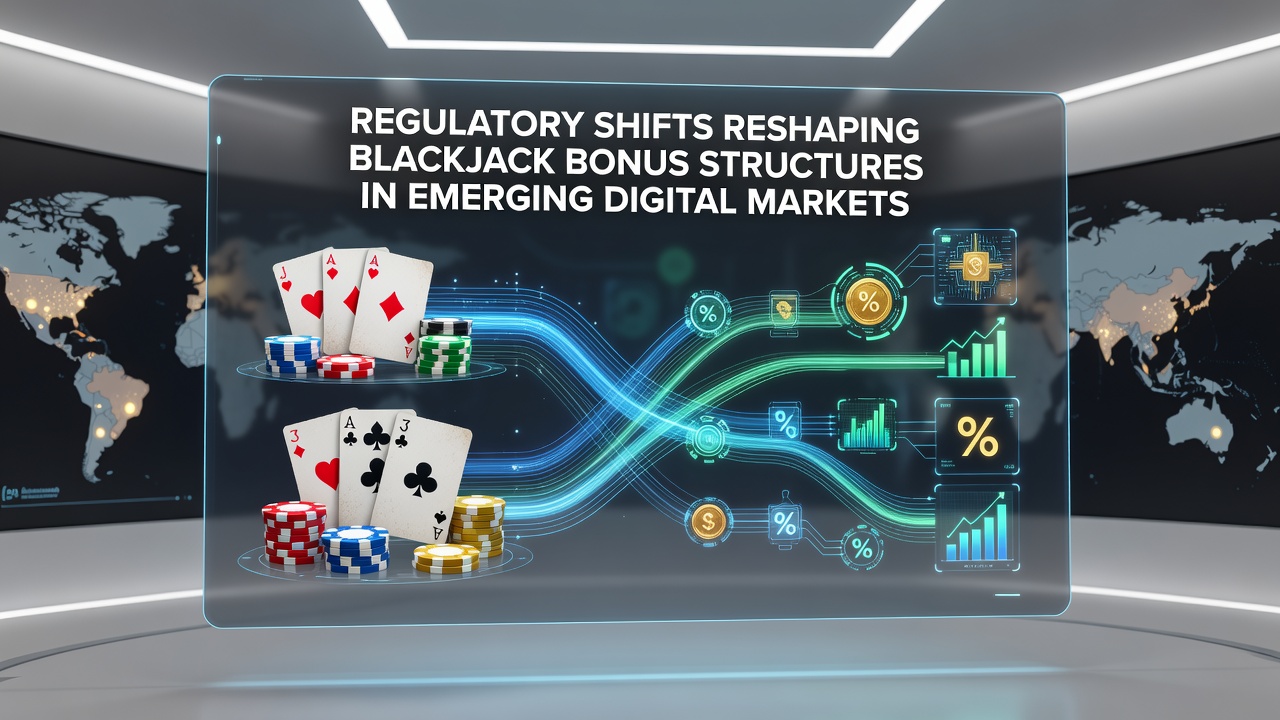
Live dealer blackjack bonuses face additional scrutiny because regulators in several jurisdictions now classify them separately from RNG versions due to differences in pace and interaction. Data indicates that platforms serving Southeast Asian markets have introduced separate bonus pools for live games, with lower maximum bet restrictions during promotional play to maintain compliance. One documented case involves operators in Vietnam's regulated zones who adjusted cashback structures in July 2026, moving from weekly rebates to monthly calculations that factor in both volume and game type to meet new audit requirements.
Compliance Tools and Operational Adjustments
Software providers have responded by integrating automated compliance modules that flag bonus offers exceeding jurisdictional caps before they reach players. These tools scan terms for prohibited language around guaranteed wins or unrealistic wagering timelines, which regulators in multiple emerging markets have targeted. Industry figures show adoption rates of such systems rose sharply ahead of the August 2026 reporting cycle, allowing operators to maintain promotional activity without triggering enforcement actions.
Player segmentation strategies have also adapted. Data from licensed platforms reveals that bonuses now differentiate more clearly between casual and high-volume blackjack participants, with the latter group often receiving personalized offers that include extended time windows for meeting playthrough conditions. This approach aligns with regulatory preferences for responsible gaming features that discourage excessive session lengths while still permitting competitive bonus structures.
Conclusion
Emerging digital markets continue to refine their approaches to blackjack bonus oversight, and operators respond by recalibrating offer structures around clearer disclosure, segmented rewards, and integrated compliance systems. These adjustments reflect broader regulatory priorities centered on transparency and player safeguards, with further updates expected as new licensing regimes mature through late 2026 and beyond. The ongoing synchronization between regional rules and platform capabilities suggests that bonus mechanisms will remain fluid as markets expand.