Reward Phase Interactions Shaping Blackjack Tactics in Online Environments
Wendy Lehmann · Jul 22, 2026

Reward Phase Interactions Shaping Blackjack Tactics in Online Environments
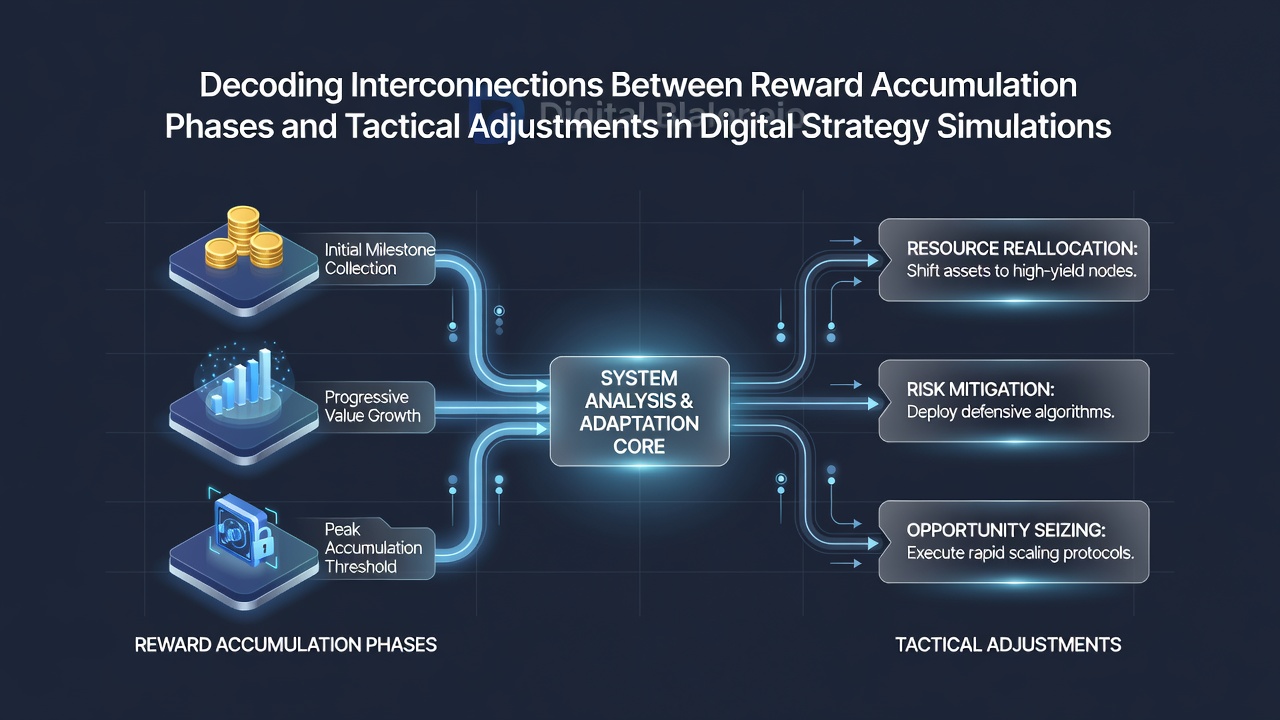
Digital blackjack platforms organize player incentives into distinct accumulation phases that range from initial signup rewards through progressive loyalty tiers and these structures directly influence how participants modify their betting patterns and decision trees during sessions. Platforms track metrics such as hands played and average wager size to advance users through levels while data from aggregated reports indicate that players often recalibrate risk parameters once they cross into higher reward brackets. Observers note that early phases typically emphasize volume-based play with conservative spreads whereas mid-tier stages encourage measured increases in bet sizing to meet threshold requirements without triggering rapid depletion of bankrolls.
Accumulation Mechanisms Across Platforms
Operators segment reward cycles into time-bound windows that align with game variants and these alignments create predictable windows where strategy adjustments become advantageous. For instance, during accumulation periods tied to specific table limits, participants frequently shift from basic strategy adherence toward more aggressive splitting decisions when bonus multipliers apply to paired hands. Research from industry databases shows that platforms in regulated markets release quarterly summaries of these patterns and the figures reveal consistent upticks in multi-hand play once users enter the second or third accumulation phase. Those who monitor session logs across multiple sites find that reward caps often reset on fixed schedules which prompts temporary reversions to lower-variance tactics until new cycles begin.
Strategic Adjustments Triggered by Tier Progress
Players who reach intermediate reward levels commonly expand their decision matrices to incorporate side bet options that carry elevated house edges yet accelerate point accumulation. Figures from platform analytics demonstrate that such expansions occur most frequently after users surpass 50 percent of a tier's requirement and this timing coincides with promotional overlays that offset some of the additional risk. External data compiled by the Nevada Gaming Control Board highlights how digital operators in that jurisdiction report elevated average bet sizes during these windows while maintaining compliance with responsible gaming thresholds. Yet the same datasets indicate that participants revert to standard hit-or-stand protocols once the accumulation phase concludes and the immediate multiplier incentives disappear.
July 2026 Platform Updates
In July 2026 several major operators synchronized their backend algorithms with new reward tracking modules that now factor in real-time variance calculations derived from individual session histories. These modules adjust displayed bonus progress bars to reflect projected completion rates under different betting spreads and the change has led participants to experiment with count-based deviations earlier in accumulation cycles. Aggregated performance metrics released that month show a measurable shift toward earlier adoption of insurance bets when remaining phase requirements exceed certain percentages. Industry organizations such as the European Gaming and Betting Association have begun incorporating these synchronized metrics into their annual benchmarking studies which allows cross-jurisdictional comparisons of how reward structures correlate with observed tactical changes.
Regional Variations in Reward-Linked Tactics
Operators licensed in different markets apply distinct weighting to accumulation phases which produces geographic differences in how tactics evolve. In jurisdictions with strict session time caps, players accelerate through early phases by concentrating play into shorter high-intensity bursts that favor aggressive doubling strategies. Conversely, markets without such caps see more gradual progression where participants maintain flat betting across multiple sessions until milestone rewards unlock. Data compiled from various regulatory filings indicates that these regional differences persist even when the underlying game mathematics remain identical and the variations stem primarily from the way reward multipliers interact with local playtime rules.
Long-Term Pattern Analysis
Longitudinal tracking across thousands of accounts reveals that sustained engagement through multiple accumulation cycles correlates with incremental refinements in basic strategy application. Participants who complete four or more full cycles within a calendar year show higher rates of deviation from standard charts during periods when reward multipliers exceed standard levels. These refinements appear in aggregated logs as increased frequency of correct plays under pressure rather than broad overhauls of core methods. Researchers examining these logs note that the adjustments remain bounded by the mathematical expectations of each game variant so that overall house edge exposure does not deviate substantially from baseline figures despite the tactical shifts.
Conclusion
The documented interconnections between reward accumulation phases and tactical adjustments rest on measurable platform data rather than isolated anecdotes. Operators continue to refine their tracking systems while regulatory bodies collect corresponding statistics that illuminate the scale of these interactions across digital environments. As accumulation mechanisms evolve alongside game delivery formats, the patterns of strategic response are expected to follow similar trajectories documented in existing performance records.